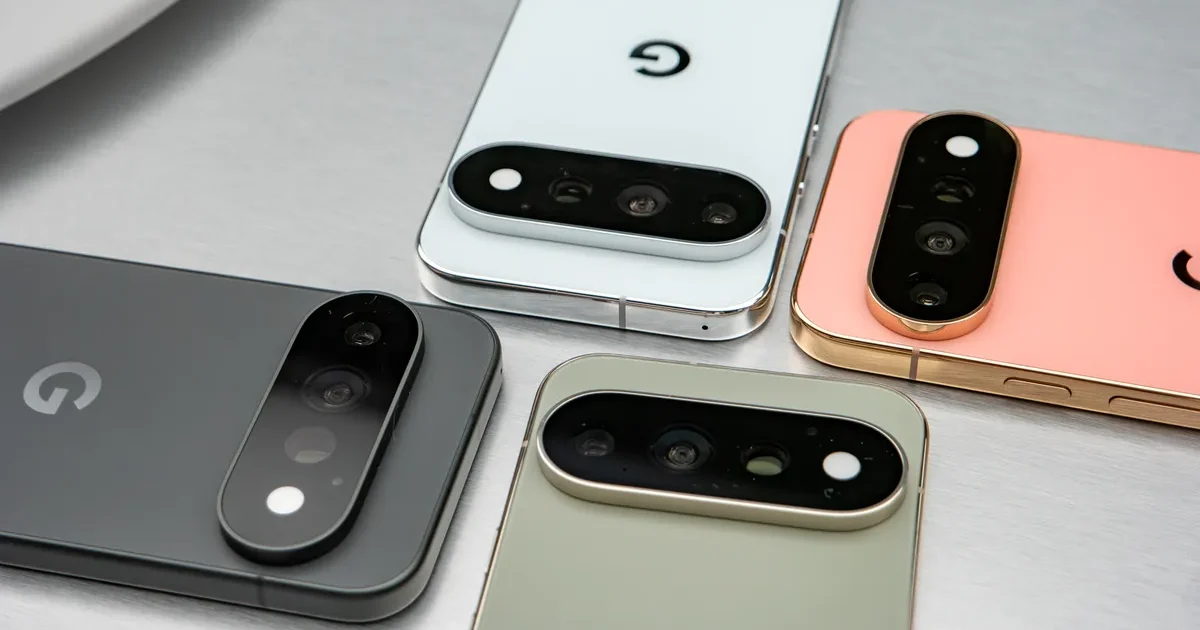
The Google Pixel 11 lineup officially launched on August 12, 2026, and it’s already shaping up to be one of the more meaningful upgrades in the Pixel line’s recent history. Between a brand new chip, a redesigned camera system, and a genuinely useful new lighting feature, this isn’t just a coat of paint over last year’s model. Here’s everything worth knowing before you decide whether it’s your next phone.
Google Pixel 11 Release Date and Pricing
Google announced the Pixel 11 family at its Made by Google event on August 12, 2026, with retail availability following on August 20. The lineup includes three phones this year, the Pixel 11, Pixel 11 Pro, and Pixel 11 Pro XL.
- Pixel 11: Starting at $899
- Pixel 11 Pro: Starting at $1,099
- Pixel 11 Pro XL: Starting at $1,299
All three prices sit roughly $100 above their Pixel 10 equivalents, though Google is framing it less as a price hike and more as a storage upgrade, the base 128GB tier has been dropped entirely, meaning 256GB is now the minimum across the board. You can check current availability and full configurations on the official Google Store Pixel 11 page.
Tensor G6: The Headline Upgrade
The biggest change under the hood is Google’s new Tensor G6 chip, and it’s a genuinely significant one.
- Built on a 2nm process, making it the first 2nm chip to ship in a phone, arriving ahead of Apple’s A18 lineup
- Paired with the Titan M3 security coprocessor, making this the most secure generation of Pixel yet
- Roughly 25% faster app launches and web browsing compared to the Tensor G5
- Up to 3.5x faster on-device AI processing while using roughly 3.5x less power for those tasks
- 12GB of RAM on base storage configurations, stepping up to 16GB on higher tiers
One trade off worth knowing about, German tech outlets flagged that the Tensor G6 still relies on an older PowerVR GPU architecture. That means it’s genuinely strong for everyday use and AI heavy workloads, but it doesn’t quite keep pace with Snapdragon or Dimensity chips when it comes to heavy gaming performance.
Display and Design
- Pixel 11: 6.3 inch display, standard OLED panel
- Pixel 11 Pro: 6.3 inch LTPO OLED panel at 1,280 x 2,856 resolution
- Pixel 11 Pro XL: 6.8 inch LTPO OLED panel at 1,344 x 2,992 resolution
- Both Pro models support adaptive 1-120Hz refresh rates, up to 2,400 nits of HDR brightness, and 3,600 nits peak brightness
- Corning Gorilla Glass Victus 2 is used across the lineup, with an added anti-scratch shield on top
The most talked about design change is a new lighting feature originally rumored as “Pixel Glow,” now officially called HiLight. Rather than wrapping around the outside of the camera bar as early leaks suggested, it’s built directly into the bar itself, lighting up during Gemini interactions and notifications.
Camera Specs
Camera hardware differs meaningfully between the base model and the Pro lineup.
Pixel 11
- 48MP main sensor (f/1.7), now capturing 56% more light than before
- 13MP ultrawide with macro support
- 10.8MP telephoto with Super Zoom now extended to 30x, up from 20x last generation
- 10.5MP front camera
Pixel 11 Pro and Pro XL
- 50MP main sensor
- 48MP ultrawide
- 48MP periscope telephoto offering 5x optical zoom and Pro Zoom up to 120x
- 42MP front camera with a 103-degree field of view
On the software side, Google is leaning heavily into AI powered editing tools, including Magic Capture, a generative editing tool called Creative Studio, Cinematic Blur for 4K video, and Video Relight for adjusting lighting after the fact, all processed on-device.
Battery and Charging
- Pixel 11: Roughly 4,985 mAh battery, 30W wired charging, 25W Qi2 wireless charging
- Pixel 11 Pro / Pro XL: Around 4,850 mAh, with Pro models charging wirelessly up to 29% faster than the previous generation
- Google claims 30+ hours of battery life across the board, with the base Pixel 11 hitting 50% charge in 30 minutes and the Pro models reaching 75% in the same window
Should You Buy the Google Pixel 11?
Early hands on impressions have generally landed in favor of the Pixel 11 Pro as the sweet spot of the lineup, sharing the same camera array and display as the pricier Pro XL while starting at a lower price with double the base storage of the standard Pixel 11. If raw AI performance and camera flexibility matter most to you, the Pro is worth the jump. If you just want a reliable flagship at a lower price point, the standard Pixel 11 still gets the new chip, the redesigned cameras, and most of the software upgrades that matter.
The Bottom Line
The Google Pixel 11 lineup isn’t a dramatic reinvention, but it’s a genuinely substantial upgrade where it counts, chip performance, camera quality, and AI capability. With Apple’s iPhone 18 lineup and Samsung’s next flagship both entering the conversation soon, the Pixel 11 has set a real bar for what a 2026 flagship should offer.
If you’re weighing your options, check out our full breakdowns of what to expect from the iPhone 18 Pro and Pro Max and everything rumored so far about the Samsung Galaxy S27 to see how the Pixel 11 stacks up against what’s coming next.
1 Thought
Steve Page
[…] our coverage of the Xiaomi 18 Fold, which beat Apple to market by less than a week, and see how the Google Pixel 11 and the still unreleased Samsung Galaxy S27 stack up against Apple’s new lineup. You can also […]