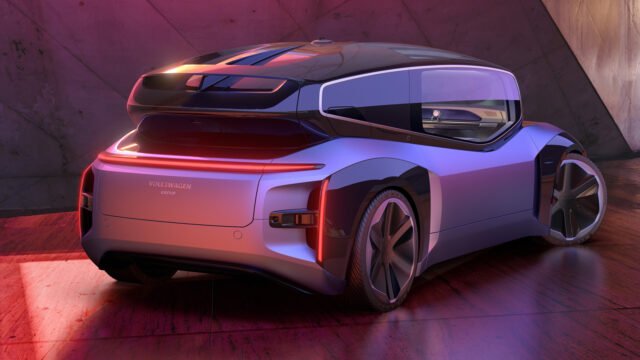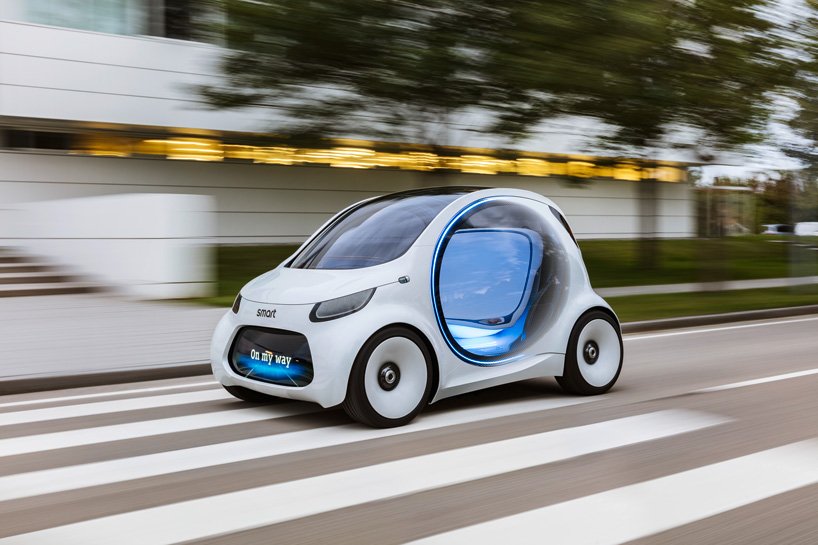
Next-generation autonomous electric vehicles are combining high-density solid-state chemistry with production-ready hands-free platforms. The dream of driverless transit is no longer confined to isolated research testbeds. Across metropolitan hubs, smart electrified vehicles are redefining daily commutes by blending machine vision, clean power generation, and modular passenger spaces into a safe, sustainable transit experience.
Here is how modern engineering breakthroughs are turning self-driving electric transport into an everyday reality.
1. High-Density Solid-State Battery Architecture
Battery capacity and charging bottlenecks have traditionally limited commercial electric fleets. Modern autonomous electric vehicles are overcoming these constraints through solid-state chemistry:
- Sub-15-Minute Fast Charging: Solid-state battery cells resist extreme heat, unlocking rapid charging speeds that slash fleet turnaround times at charging hubs.
- Extended 600-Mile Range: Higher energy density allows compact battery packs to deliver over 600 miles of driving range per charge without adding dead weight to the vehicle frame.
- Superior Chemical Stability: Eliminating flammable liquid electrolytes drastically lowers thermal runaway risks, providing safety across millions of automated highway miles.
2. 360-Degree Sensor Arrays and Real-Time Redundancy
Navigating unpredictable city traffic requires an all-weather perceptual array capable of processing complex surroundings instantly:
- Solid-State LiDAR Arrays: Roof-integrated laser scanners generate dense 3D point clouds every second, mapping obstacles and moving vehicles up to 300 meters away with millimeter accuracy.
- High-Definition Imaging Radar: High-frequency radar beams easily cut through heavy rain, dense dust storms, and thick fog where conventional optical lenses struggle.
- Multi-Spectrum HD Cameras: Advanced optical sensors continuously read road lane markings, construction warnings, traffic lights, and pedestrian movements.
- Dual-Core Redundant Compute: Onboard drive computers run parallel isolated processors, guaranteeing seamless emergency fail-over if a primary compute circuit fails.
3. Modular Drive-by-Wire Cabins for Urban Commuters
Removing mechanical steering columns and foot pedals allows interior designers to rethink automotive cabins entirely:
- Swiveling Lounge Seating: Passenger seats can rotate 180 degrees, converting the car interior into a mobile office, meeting space, or social lounge.
- Retractable Control Surfaces: Manual driving controls fold away flush into the dashboard during automated transit modes to open up front legroom.
- Open Acoustic Flat Floors: Skateboard-style battery chassis platforms eliminate transmission humps, giving passengers walk-in accessibility and generous cabin volume.
4. Vehicle-to-Grid (V2G) Bi-Directional Power Integration
Modern autonomous electric vehicles do not just consume electricity—they actively support municipal energy grids:
- Peak Energy Shaving: Parked fleet cars automatically supply stored clean energy back into local grids during afternoon peak demand periods.
- Off-Peak Smart Charging: Connected fleet managers schedule charging sessions exclusively during overnight hours when wind and solar farms generate surplus capacity.
- Home Emergency Power: Bidirectional power protocols allow private EV owners to run critical home appliances from their vehicle during power blackouts.
The Road Ahead for Electric Urban Transit
The future of city transportation relies on clean powertrains and intelligent navigation working together. As battery chemistry improves and autonomous safety records grow, autonomous electric vehicles will lead the transition toward cleaner, safer, and quieter cities worldwide.
To discover the latest clean transport breakthroughs, visit our Electric Vehicles section, or read comprehensive automotive industry updates on InsideEVs.