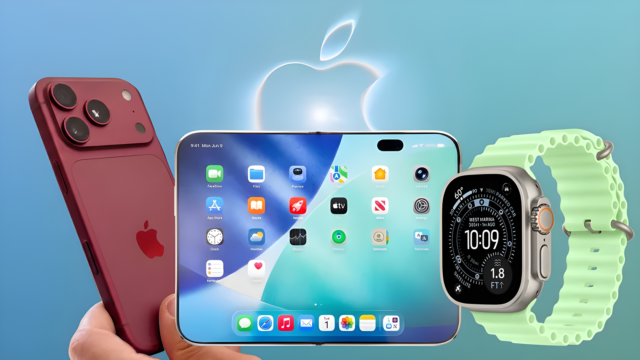
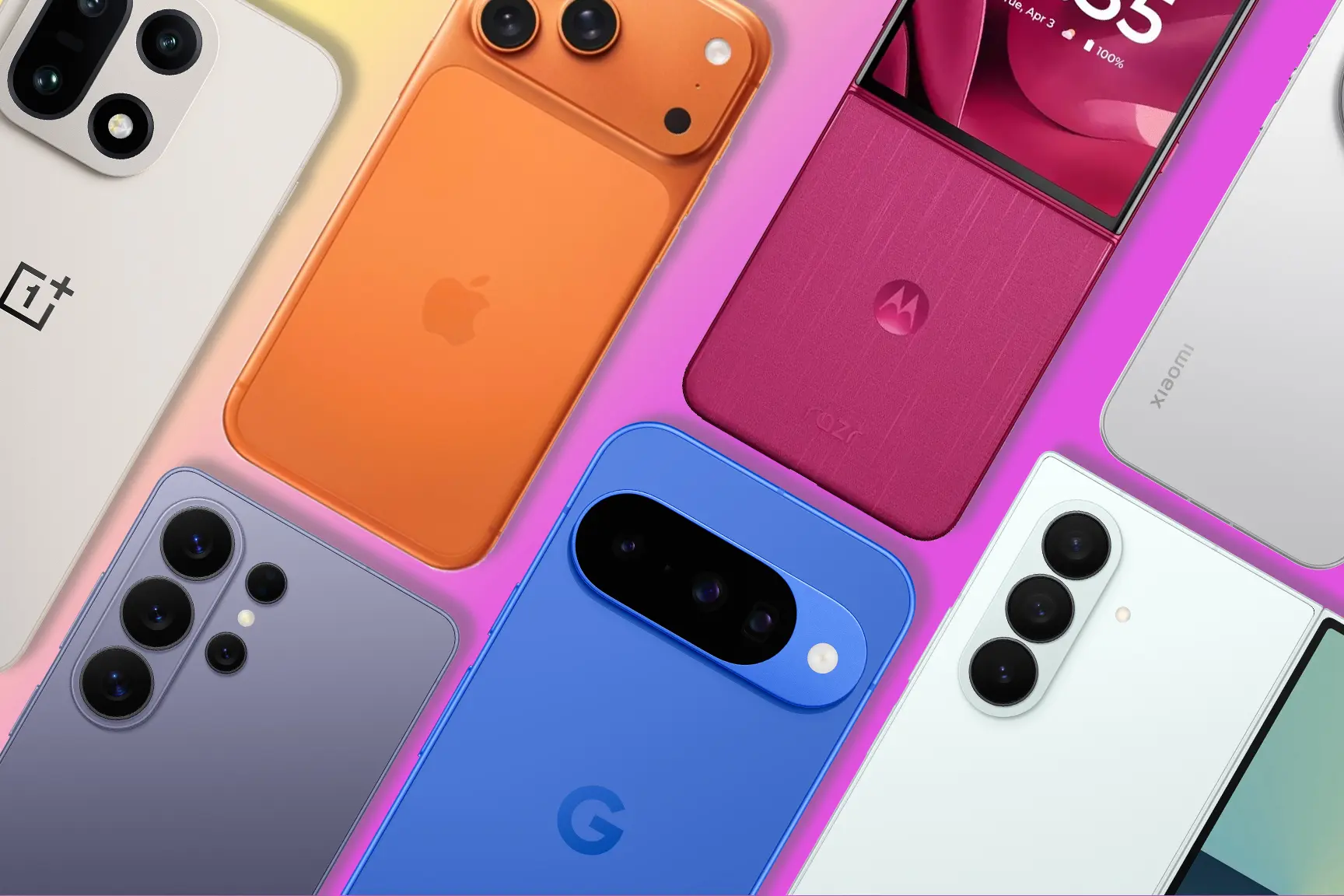
Buy an iPhone 18 Pro Max in Germany, Canada, or India, and you’re getting Apple’s own custom cellular modem. Buy the exact same phone in the United States, and you’re getting a Qualcomm chip instead. The iPhone 18 Pro Max C2 modem split is a genuinely unusual case of the same flagship phone shipping with meaningfully different internals depending purely on which country it’s sold in, and Apple still hasn’t explained why.
What’s Actually Different
Apple’s new C2 modem debuted across the iPhone 18 Pro lineup and the foldable iPhone Duo, continuing the company’s multi-year effort to move away from relying on Qualcomm for cellular hardware. The iPhone 18 Pro carries the C2 modem globally, no exceptions. The iPhone Duo does too, worldwide, with no regional split at all.
The iPhone 18 Pro Max is the odd one out. Every unit sold outside the United States uses the C2 modem. Every unit sold inside the United States uses a Qualcomm modem instead, widely believed to be the Snapdragon X85, based on iOS 27 code analysis from tipster @itspdfu.
How This Came to Light
The story actually started with confusion rather than a clean announcement. Shortly after the iPhone 18 Pro family launched, European Apple store pages listed the C2 modem for the smaller iPhone 18 Pro but left it off the iPhone 18 Pro Max spec sheet entirely, briefly worrying European buyers that the larger, more expensive phone might actually be getting older technology. Apple later confirmed that omission was simply a listing error and corrected the European spec pages to properly show the C2 modem on both models.
That correction, combined with separate digging into iOS 27’s underlying code, is what surfaced the real, intentional difference, it’s not Europe that’s missing out, it’s the US specifically that’s the outlier, keeping the Qualcomm chip while nearly every other market moves to Apple’s own silicon.
Why Would Apple Do This Only in the US?
Apple hasn’t offered an official explanation, but the most widely cited theory ties back to a 2023 agreement in which Qualcomm committed to supplying Apple with modems through 2026. Several outlets, including MacRumors and German tech site Basic Tutorials, have pointed to that contract as the likely reason, suggesting Apple may be fulfilling a minimum contractual obligation to Qualcomm specifically in its largest single market, while transitioning the rest of the world to its own chip ahead of schedule.
There’s a small technical fingerprint confirming the split too. US iPhone 18 Pro Max units reportedly drop support for LTE Band 106, a frequency used by private utility networks in North America, a detail that lines up with the device genuinely running different internal hardware rather than just different software settings.
Does This Actually Matter for Everyday Use?
Here’s where it’s worth staying grounded. The practical, real-world difference between the C2 and the Snapdragon X85 hasn’t been tested at scale yet, and Apple’s C2 modem is marketed around efficiency and AI-assisted cellular reliability improvements rather than dramatically different raw speeds. Coverage from AppleScoop cautions against reading too much into modem tribalism before actual testing data comes in, pointing out that Apple controls the modem, antennas, operating system, and power policy together as one system, meaning the real-world gap could end up smaller than the spec sheet difference implies.
It’s also worth noting this has nothing to do with satellite features like Emergency SOS or Find My via satellite, those remain part of a separate radio and service agreement and aren’t affected either way.
Should US Buyers Be Concerned?
Not really, unless you’re specifically chasing the newest silicon for its own sake. If you live somewhere with strong existing coverage, factors like camera quality, battery life, storage, and price are still going to shape your day-to-day experience far more than which modem chip is quietly working in the background. Importing a European C2 model into the US isn’t a straightforward workaround either, it can affect band support, eSIM behavior, and warranty coverage.
The Bottom Line
The iPhone 18 Pro Max C2 modem story is a small but genuinely interesting reminder that “the same phone” doesn’t always mean the same phone once you look past the spec sheet headline. Whether this is the last generation US buyers see a Qualcomm modem in a flagship iPhone, fulfilling that 2023 agreement fully, or whether Apple continues splitting hardware by region going forward, remains to be seen. Real-world performance comparisons between the two modems should start surfacing over the coming weeks as more people get their hands on both versions.
For the full rundown of everything else Apple announced this month, check out our complete breakdown of the iPhone Duo and iPhone 18 Pro features.
For updates: www.apple.com