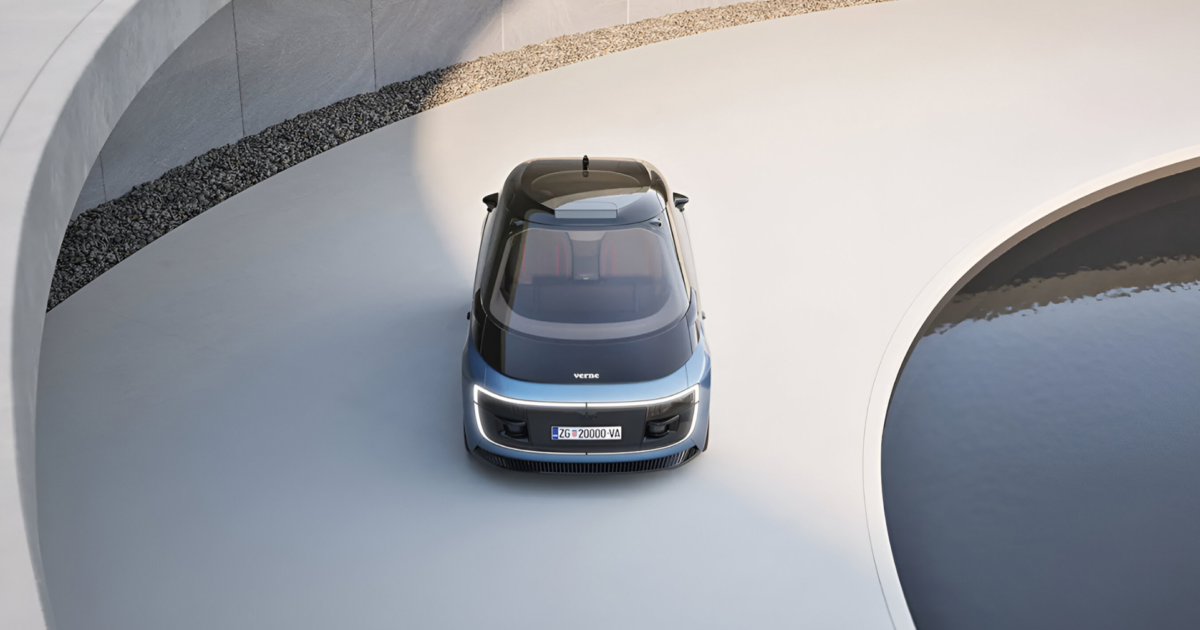
Next-generation autonomous electric vehicles are combining high-density solid-state chemistry with production-ready hands-free platforms. The rapid shift toward driverless transportation is no longer a distant engineering daydream confined to test tracks. Instead, cities are witnessing a sweeping overhaul of everyday mobility as intelligent electrified platforms merge advanced sensor hardware, clean power generation, and modular passenger spaces into a seamless commute.
Here is an in-depth breakdown of the game-changing innovations driving modern driverless transit forward.
1. High-Density Solid-State Pack Architecture
Battery technology has long served as the fundamental bottleneck for electric fleets. By moving beyond traditional liquid electrolytes, autonomous electric vehicles achieve unprecedented energy efficiency and reliability.
- Sub-15-Minute Rapid Replenishment: Solid-state battery cells tolerate extreme thermal loads, enabling ultra-fast DC charging speeds that slash depot downtime and keep shared robotaxi networks running around the clock.
- Substantial Weight Reductions: Higher volumetric energy density means battery packs deliver over 600 miles of driving range per charge without saddling the chassis with dead weight.
- Superior Chemical Safety: Replacing flammable liquid compounds with solid ceramics significantly mitigates thermal runaway risks, ensuring passenger safety across millions of automated highway miles.
2. Full 360-Degree Sensor Arrays and Real-Time Redundancy
Reliable hands-free navigation requires superhuman perception that performs flawlessly in blinding rain, dense fog, and chaotic urban intersections.
- Solid-State LiDAR Stacks: Flush-mounted laser scanners beam out millions of data points every second, creating millimeter-precise 3D point clouds of the surrounding environment up to 300 meters away.
- High-Definition Imaging Radar: High-frequency radar arrays pierce through zero-visibility dust storms and heavy snow squalls where traditional optical glass lenses struggle.
- Multi-Spectrum Optical Cameras: High-dynamic-range cameras instantly identify fading road lane markings, construction cones, emergency vehicle flashing beacons, and pedestrian hand gestures.
- Dual-Compute Redundancy: On-board automotive supercomputers feature isolated parallel processors, guaranteeing immediate fail-safe operation if any primary subsystem encounters an anomaly.
3. Modular Drive-by-Wire Cabins for Urban Commuters
Removing mechanical steering linkages and physical brake pedals frees designers to rethink automotive interior architecture from the ground up.
- Lounge-Style Reconfigurable Seating: Passengers can enjoy swiveling front seats that rotate 180 degrees, transforming vehicle cabins into mobile offices, dining lounges, or multimedia suites.
- Retractable Controls: Driver controls fold away flush into the dashboard during autonomous transit modes, maximizing legroom and personal comfort.
- Flat Acoustic Flooring: Dedicated electric skateboard chassis designs eliminate central transmission tunnels, giving riders open, walk-in cabin accessibility.
4. Smart Vehicle-to-Grid (V2G) Bi-Directional Power Sharing
Modern autonomous electric vehicles function as mobile energy banks, actively stabilizing city power infrastructure rather than straining it.
- Peak-Shaving Energy Transfers: Fleet systems automatically feed excess stored clean electricity back into regional municipal grids during heavy evening air-conditioning surges.
- Off-Peak Depot Charging: Intelligent route planners direct idling cars to charge exclusively when localized solar arrays and wind farms produce surplus megawatt capacity.
- Backup Power for Homes: Bidirectional power protocols allow homeowners to tap parked vehicles to run essential household appliances during weather-related blackouts.
The Road Ahead for Electric Urban Transit
The future of everyday commuting relies on zero-emission powertrains and intelligent machine vision working together. As battery chemistry matures and neural navigation models reach production readiness, autonomous electric vehicles will lead the charge toward greener, safer, and quieter cities worldwide.
To keep up with the latest eco-mobility trends, explore our dedicated Electric Vehicles section, or read deep industry reporting and tear-downs over at InsideEVs.