Understanding the Need for Real Book Scanning
The advent of advanced language models has transformed the field of artificial intelligence, creating a demand for high-quality, diverse textual data. One vital source of this data is real books, which offer rich, varied linguistic structures and themes. Scanning real books contributes significantly to the training datasets of Language Learning Models (LLMs), as it ensures the incorporation of a broad range of vocabulary, stylistic nuances, and contextual understandings that are often absent from digital or online sources.
By utilizing text extracted from physical books, researchers and developers can enhance the depth and richness of the language models. This abundance of data not only aids in better modeling of human-like responses but also fosters a more dependable understanding of language context, thereby improving the generation capabilities of models such as Claude. Further, the diverse sources of printed literature allow for the inclusion of distinct cultural references, idiomatic expressions, and varied writing styles which are essential for accurate and relatable language generation.
The integrity of the training process is also impacted by the quality of the data. Real books are often well-edited and curated, which contributes to a more polished dataset. This contrasts with the vast amount of unstructured or less reliable text available online, which can introduce biases and inaccuracies into language model training. Therefore, investing in the scanning of high-quality, published literature not only enriches the model’s training data but also establishes stronger foundations for generating coherent and contextually appropriate language. Moreover, as these models evolve, the need for continual integration of fresh and diverse textual sources becomes paramount in maintaining their relevance and effectiveness in understanding human communication.
The Process of Scanning Books
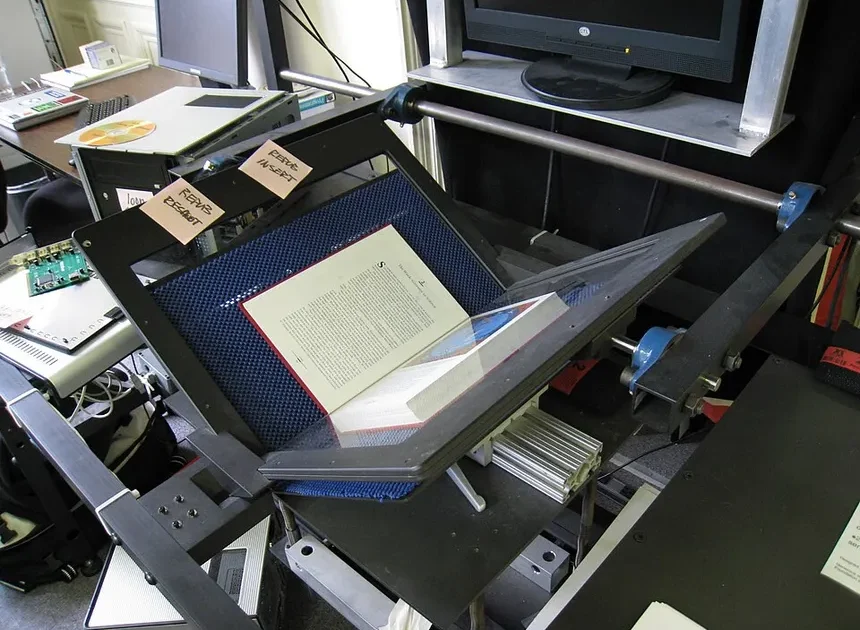
Scanning physical books is a multifaceted process involving various methodologies and technologies aimed at converting printed text into digital formats. The initial step typically involves the use of high-quality scanners designed for book scanning. These devices capture images of each page while minimizing the risk of damage to the book. There are different types of scanners employed, including flatbed scanners, which allow for precise image capturing, and specialized book scanners that provide high-speed scanning capabilities.
Once pages are scanned, the next critical phase is Optical Character Recognition (OCR). This technology plays a vital role in interpreting the images of text and transforming them into machine-readable formats. OCR software processes the scanned images, identifying text characters and converting them into raw data. This process can require calibration and adjustments, particularly when dealing with fonts that are not easily recognized by the software or when the scanned pages have imperfections.
Effective data management practices are essential in this stage to ensure the integrity and accessibility of digitized content. This involves organizing the scanned files systematically, so they can be easily retrieved for future processing. Various metadata standards can be employed to categorize and archive the digital versions of the books comprehensively. Challenges can arise during this process, particularly when dealing with rare or fragile books that may not withstand the mechanical forces of scanning. Additional difficulties include variations in paper quality and conditions, which can affect OCR accuracy. To overcome these challenges, professionals often adopt careful handling techniques, utilize specialized equipment for delicate items, and optimize software settings to enhance recognition rates. Such strategic approaches are fundamental to achieving successful digital conversion while preserving the original work’s integrity.
Timing the Scanning Initiatives
Determining the ideal timing for scanning books from libraries for the training of language models involves a thorough evaluation of various factors. As technology continues to evolve, the demand for up-to-date training data becomes increasingly critical. Language models rely on current information to remain relevant, making the timing of these scanning initiatives a significant consideration.
One essential aspect to consider is the rapid progress in artificial intelligence and natural language processing technologies. As these technologies advance, there is a growing need for more comprehensive and diverse datasets. Identifying when to initiate the scanning process can directly impact the effectiveness of trained models. Waiting too long may result in outdated content, while scanning too early may lead to missed opportunities for including newly published works.
Furthermore, understanding the changing needs of language model training is vital. The contexts and languages in which these models operate are continuously evolving. Keeping this in mind, strategic timing becomes crucial to ensure that the content being scanned reflects contemporary issues, trends, and innovations. An optimal time frame to commence scanning initiatives would be in alignment with notable shifts in language model functionality or the introduction of new technology that enhances data processing capabilities.
Additionally, collaboration with libraries can enhance the effectiveness of these scanning initiatives. Maintaining an ongoing dialogue can help in recognizing what texts are frequently requested by users, which allows for a targeted approach. By aligning the timing of scanning projects with user demand, libraries and organizations can maximize the utility of scanned materials in training language models.
In summary, evaluating the strategic timing for scanning books involves careful consideration of technological advancements, the evolving needs of language models, and collaboration with libraries. These elements work together to inform decision-making and ensure that scanning initiatives are optimized for effective outcomes.
Ethical Considerations in Scanning Books
The ethical implications of scanning real books are a paramount concern as the digitization process increasingly intersects with copyright laws and intellectual property rights. One of the primary issues is the copyright protection that applies to most published works. Authors and publishers retain certain rights over their materials, and unauthorized scanning can infringe upon these rights. Therefore, it is essential to thoroughly understand the legal framework surrounding copyright when considering the scanning of books.
Obtaining permission from copyright holders is a necessary step in fulfilling ethical standards. Engaging in dialogues with authors or publishers can lead to beneficial agreements that allow for the legal usage of materials while respecting the creators’ rights. This approach not only protects the interests of the rights holders but also promotes a respectful and transparent relationship between content creators and those who use their work for purposes such as machine learning and digitization.
Moreover, the act of scanning books raises the question of how to balance the advantages of digital content accessibility with the need to preserve the integrity of original works. Digitization is crucial for enhancing the availability of literary resources, particularly for educational and research purposes. However, it is equally important to ensure that the digitized versions accurately reflect the original content without misrepresentation or distortion. Efforts should be made to maintain the authenticity of original texts, retaining their value as primary sources of knowledge.
In conclusion, the ethical considerations surrounding the scanning of real books are multi-faceted, incorporating aspects of copyright, permission acquisition, and the integrity of the original works. A careful, respectful approach to these concerns can enhance the experience of users while safeguarding the rights of authors and publishers in the ever-evolving digital landscape.